
News

Uncategorized

Cost Benefits of Preventive Maintenance in Construction and Infrastructure

Preventive maintenance is one of the most cost-effective strategies in construction and infrastructure management. While many property owners and project managers focus on building new structures, the real financial advantage lies in maintaining existing infrastructure before problems occur. Preventive maintenance helps extend the lifespan of buildings, roads, drainage systems, and

Articles

Concrete Road Construction Explained: Process, Benefits, and Why It Matters

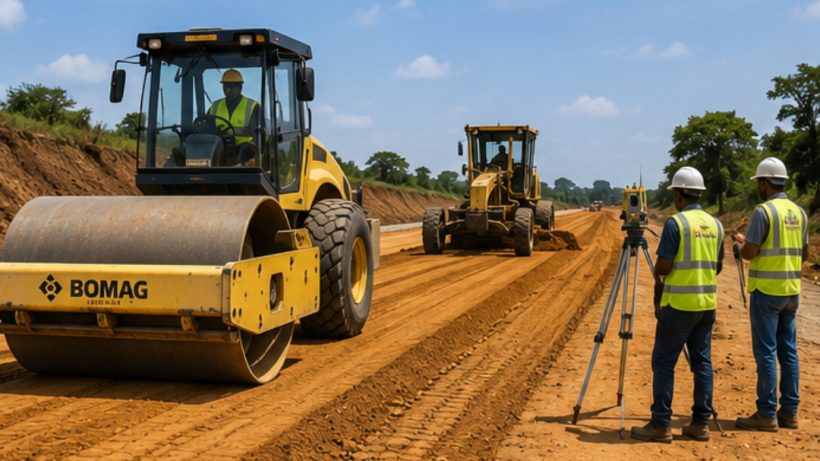
Concrete road construction is one of the most reliable and durable methods used in modern infrastructure development. As traffic loads increase and environmental conditions become more demanding, engineers are turning to concrete (rigid pavement) as a long-lasting solution for highways, urban roads, and industrial access routes. In this guide, we

Uncategorized

Top Construction Companies in Nigeria

Nigeria’s infrastructure sector continues to grow rapidly as the country invests heavily in roads, housing, commercial developments, bridges, and industrial projects. The demand for reliable engineering and construction firms has increased significantly, creating opportunities for companies that deliver durable infrastructure and high-quality building solutions. Construction companies in Nigeria play a

Articles

Key Stakeholders in Large Infrastructure Projects: Roles, Responsibilities, and Impact

Who Are Stakeholders in Infrastructure Projects? In infrastructure development, stakeholders are individuals, organizations, or groups that: Have a direct interest in the project Influence decision-making Are affected by construction activities Provide funding, expertise, or regulatory approval Proper stakeholder identification and engagement reduces project delays, minimizes risk, and improves collaboration. 1.

Articles

How Traffic Load Affects Road Durability

Roads are designed to serve communities for decades, but their lifespan depends heavily on one critical factor: traffic load. While weather, drainage, and material quality all play significant roles, the volume and weight of vehicles using a road daily have the greatest impact on how long that road will last.

Articles

How Civil Engineers Ensure Structural Safety

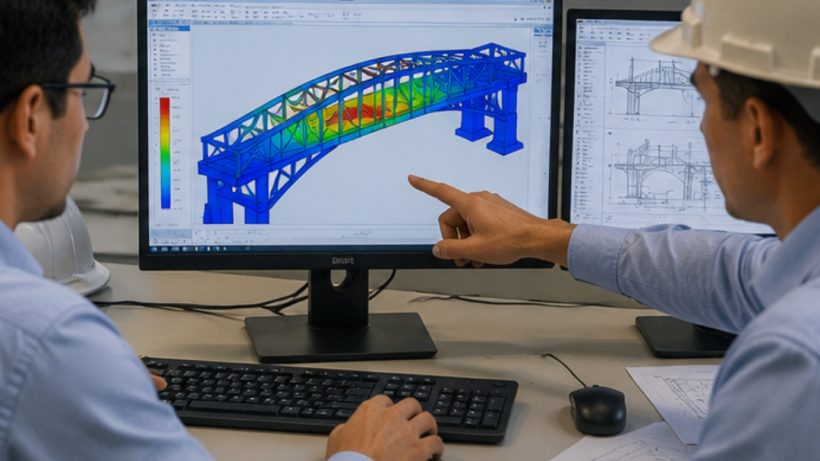
Structural safety is the foundation of every successful construction project. From residential homes to high-rise buildings, bridges, roads, and industrial facilities, civil engineers carry the responsibility of protecting lives, investments, and communities. A single structural failure can lead to severe financial loss, injuries, or even fatalities — which is why

Articles

Importance of Material Quality in Construction Introduction

The importance of material quality in construction cannot be overstated. In every successful building or infrastructure project, material quality plays a central role in ensuring structural integrity, safety, durability, and long-term performance. No matter how advanced the engineering design or construction techniques may be, poor-quality materials can compromise the entire

Articles

Drainage Considerations in Road Design

Drainage considerations in road design are critical to the performance, safety, and durability of road infrastructure. Regardless of pavement type or construction quality, inadequate drainage remains one of the leading causes of premature road failure. Water infiltration weakens pavement layers, damages subgrade soils, and significantly increases maintenance costs. For this

Uncategorized

Importance of Project Planning in Engineering

Project planning is a critical foundation for the success of any engineering project. It provides a clear roadmap that guides a project from conception through execution and completion. In engineering, where projects involve complex technical requirements, significant financial investment, and strict safety standards, effective planning helps prevent delays, cost overruns,

Articles

How Maintenance Extends Building Lifespan Introduction

Buildings are long-term investments designed to serve functional, economic, and social purposes for decades. However, the actual lifespan of a building is not determined solely by its original design or construction quality; it is heavily influenced by how well the structure is maintained over time. Regular and systematic maintenance plays