
Introduction
Monitoring and evaluation (M&E) play a critical role in the success of construction and engineering projects. In today’s construction industry, delivering projects on time, within budget, and according to quality standards requires continuous tracking and assessment throughout every phase of the project lifecycle.
From road construction and drainage systems to commercial buildings and infrastructure development, effective monitoring and evaluation help engineering firms identify problems early, improve decision-making, reduce risks, and ensure successful project delivery.
This article explores the importance of monitoring and evaluation in construction, the key processes involved, and how proper project oversight improves efficiency, quality, and long-term infrastructure performance.
What Is Monitoring and Evaluation in Construction?
Monitoring and evaluation refer to the systematic process of tracking, reviewing, and assessing construction activities to ensure project objectives are achieved.
Monitoring
Monitoring involves the continuous observation of project activities, including:
- Construction progress
- Material usage
- Workforce productivity
- Safety compliance
- Budget performance
Evaluation
Evaluation involves assessing project outcomes to determine:
- Whether objectives were achieved
- Project effectiveness and efficiency
- Quality of work delivered
- Areas needing improvement
Together, monitoring and evaluation ensure construction projects remain aligned with project goals and engineering standards.
Why Monitoring and Evaluation Are Important in Construction
1. Ensures Project Quality
One of the biggest benefits of monitoring and evaluation is quality assurance.
Regular inspections help ensure:
- Construction follows approved drawings
- Materials meet required standards
- Workmanship complies with engineering specifications
Without proper oversight, poor-quality work may go unnoticed until major failures occur.
2. Helps Keep Projects on Schedule
Construction delays are common due to:
- Poor coordination
- Material shortages
- Weather conditions
- Design changes
Monitoring project progress helps managers identify delays early and implement corrective measures before timelines are seriously affected.
3. Controls Project Costs
Cost overruns are a major challenge in construction projects.
Monitoring and evaluation help:
- Track expenditures
- Reduce material wastage
- Prevent unauthorized spending
- Improve budget management
Effective financial monitoring keeps projects within budget.
4. Improves Site Safety
Construction sites contain many risks, including:
- Equipment accidents
- Falls and injuries
- Unsafe working conditions
Routine monitoring ensures:
- Safety regulations are followed
- Workers use protective equipment
- Hazards are identified and addressed quickly
This reduces accidents and improves overall site safety.
5. Enhances Decision-Making
Project managers rely on accurate data to make informed decisions.
Monitoring provides real-time information about:
- Progress levels
- Resource allocation
- Productivity rates
- Risk factors
This enables faster and more effective decision-making.
Key Components of Monitoring and Evaluation in Construction
Project Planning and Baselines
Successful monitoring begins with clear project planning.
This includes:
- Defining project objectives
- Establishing timelines
- Creating budgets
- Setting performance indicators
These baselines serve as reference points throughout the project.
Site Inspections and Reporting
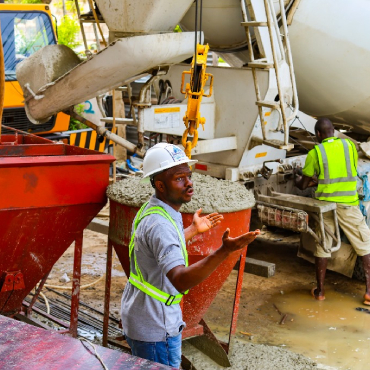
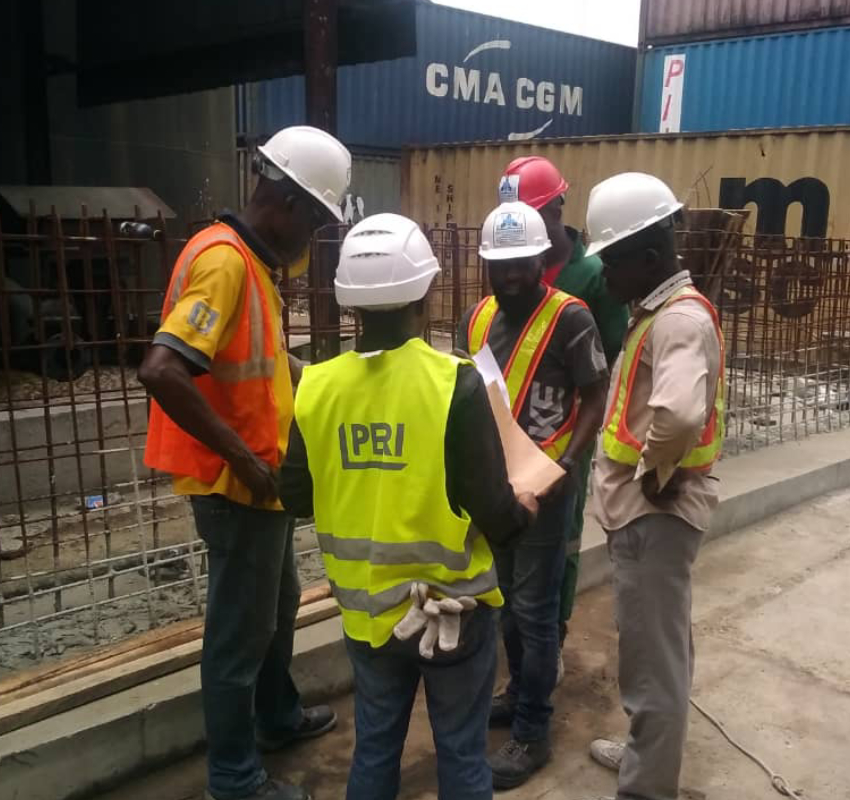
Regular site inspections help identify issues before they become major problems.
Inspection activities include:
- Quality checks
- Material inspections
- Progress verification
- Safety audits
Detailed reports provide accountability and transparency.
Performance Measurement
Performance indicators help evaluate whether the project is progressing as planned.
Common indicators include:
- Percentage of work completed
- Budget performance
- Safety records
- Material efficiency
- Labor productivity
These metrics support project evaluation and improvement.
Risk Monitoring and Management
Construction projects face risks such as:
- Cost escalation
- Structural defects
- Weather disruptions
- Equipment breakdowns
Continuous monitoring helps identify and mitigate risks early.
Challenges in Monitoring and Evaluation
Despite its importance, monitoring and evaluation can face several challenges:
Poor Documentation
Incomplete records make tracking difficult.
Communication Gaps
Lack of coordination between teams reduces efficiency.
Inadequate Supervision
Weak supervision may allow defects and delays to go unnoticed.
Technology Limitations
Some projects still rely on outdated manual systems.
Addressing these issues improves project performance.
Technology and Modern Monitoring Systems
Modern engineering projects increasingly use digital tools for monitoring and evaluation.
Examples include:
- Construction management software
- Drones for site inspections
- Building Information Modeling (BIM)
- GPS and surveying systems
- AI-powered analytics
Technology improves accuracy, efficiency, and reporting capabilities.
Benefits of Effective Monitoring and Evaluation
Organizations that prioritize monitoring and evaluation experience:
- Higher construction quality
- Reduced project delays
- Lower maintenance costs
- Improved safety performance
- Better client satisfaction
- Increased infrastructure lifespan
Effective oversight leads to more successful and sustainable projects.
Best Practices for Monitoring and Evaluation in Construction
To improve project performance, engineering firms should:
- Conduct regular site inspections
- Maintain accurate documentation
- Use digital monitoring tools
- Establish clear reporting systems
- Train project personnel
- Track performance indicators consistently
These practices ensure accountability and project success.
Conclusion
Monitoring and evaluation are essential components of modern construction and engineering project management. They ensure projects are completed safely, efficiently, and according to required standards.
By implementing effective monitoring systems and continuous evaluation processes, engineering firms can improve quality, reduce risks, control costs, and deliver durable infrastructure that meets client expectations.
In today’s competitive construction industry, successful projects depend not only on good design but also on strong monitoring and evaluation practices.