News

Articles

Site Supervision: A Key Role of Civil Engineers

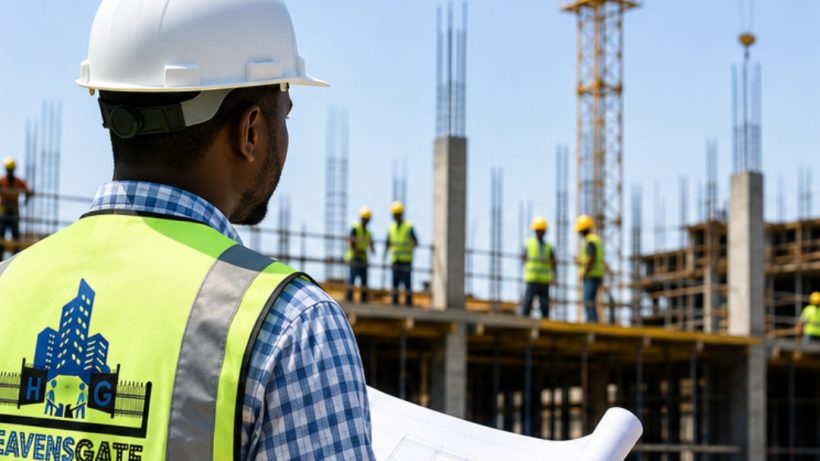
Site supervision is one of the most critical responsibilities in civil engineering. Without proper supervision, even the most perfectly designed project can fail due to poor workmanship, safety risks, delays, or budget overruns. From roads and bridges to buildings and drainage systems, effective site supervision ensures that construction projects are

Articles

Why Infrastructure Is the Backbone of National Development

Infrastructure is the foundation upon which every modern nation is built. Roads, bridges, railways, power systems, water supply networks, drainage systems, and public buildings form the framework that supports economic growth, social development, and national prosperity. Without reliable infrastructure, industries struggle to operate, businesses cannot expand, and communities face barriers

Articles

Engineering Challenges in Canal Construction

Introduction Canal construction plays a critical role in irrigation, flood control, water supply, and transportation. In many developing and urbanizing regions, canals help manage water resources, prevent flooding, and support agriculture and infrastructure development. However, building a canal is far more complex than simply digging a trench and allowing water

Articles

Importance of Proper Drainage Systems in Construction and Civil Engineering

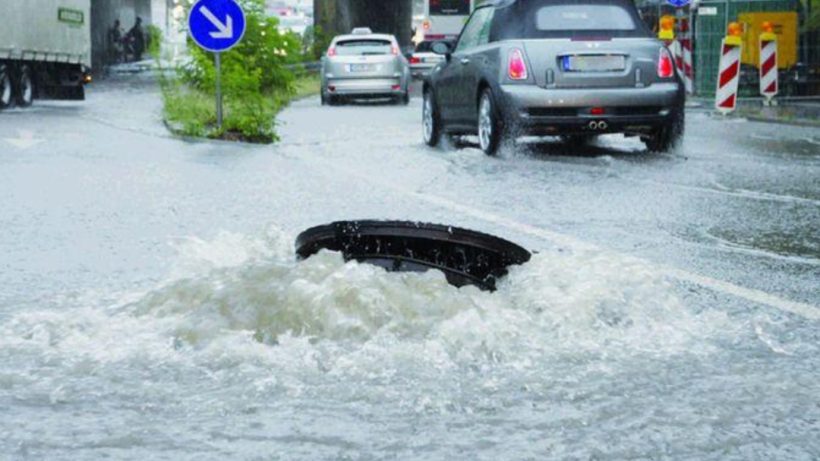
Introduction Drainage systems are one of the most overlooked yet critical components of any construction or infrastructure project. While roads, buildings, and bridges receive most of the attention, it is often poor drainage that causes early structural failure, flooding, erosion, and expensive repairs. A well-designed drainage system protects infrastructure, extends

Uncategorized

Why Soil Investigation Is Critical in Civil Engineering

Soil investigation is one of the most important early steps in any construction or infrastructure project. Before the first foundation is dug or the first road layer is laid, engineers must understand the ground that will support the structure. Ignoring proper soil testing can lead to structural failure, project delays,

Articles

Climate Change and Infrastructure Resilience: Building for a Changing Future

Climate change is no longer a distant environmental concern — it is a present-day engineering challenge. Rising temperatures, extreme rainfall, flooding, coastal erosion, and heat waves are placing enormous pressure on roads, bridges, drainage systems, and buildings worldwide. To address these challenges, engineers are focusing on climate-resilient infrastructure — infrastructure

Uncategorized

Cost Benefits of Preventive Maintenance in Construction and Infrastructure

Preventive maintenance is one of the most cost-effective strategies in construction and infrastructure management. While many property owners and project managers focus on building new structures, the real financial advantage lies in maintaining existing infrastructure before problems occur. Preventive maintenance helps extend the lifespan of buildings, roads, drainage systems, and

Articles

Concrete Road Construction Explained: Process, Benefits, and Why It Matters

Concrete road construction is one of the most reliable and durable methods used in modern infrastructure development. As traffic loads increase and environmental conditions become more demanding, engineers are turning to concrete (rigid pavement) as a long-lasting solution for highways, urban roads, and industrial access routes. In this guide, we

Uncategorized

Top Construction Companies in Nigeria

Nigeria’s infrastructure sector continues to grow rapidly as the country invests heavily in roads, housing, commercial developments, bridges, and industrial projects. The demand for reliable engineering and construction firms has increased significantly, creating opportunities for companies that deliver durable infrastructure and high-quality building solutions. Construction companies in Nigeria play a

Articles

Key Stakeholders in Large Infrastructure Projects: Roles, Responsibilities, and Impact

Who Are Stakeholders in Infrastructure Projects? In infrastructure development, stakeholders are individuals, organizations, or groups that: Have a direct interest in the project Influence decision-making Are affected by construction activities Provide funding, expertise, or regulatory approval Proper stakeholder identification and engagement reduces project delays, minimizes risk, and improves collaboration. 1.