Communication is one of the most critical success factors in engineering and construction projects. While technical expertise, materials, and funding are essential, poor communication can quickly derail even the most well-planned project. Effective communication ensures that stakeholders remain aligned, risks are minimized, and projects are delivered on time and within budget.
In large engineering projects—such as road construction, drainage systems, building construction, canal development, and infrastructure upgrades—multiple teams work together simultaneously. Engineers, architects, contractors, project managers, government agencies, and clients must collaborate efficiently. Without structured communication, misunderstandings can lead to delays, safety risks, cost overruns, and rework.
Why Communication Is Critical in Engineering Projects
Engineering projects involve complex processes, technical specifications, strict regulations, and tight deadlines. Communication ensures that everyone understands project goals, expectations, timelines, and responsibilities.
Clear communication helps to:
- Reduce errors and misunderstandings
- Improve teamwork and coordination
- Prevent costly project delays
- Enhance safety on construction sites
- Ensure compliance with regulations and standards
When communication flows effectively, project teams can quickly address challenges and maintain steady progress.
Key Types of Communication in Construction and Engineering
1. Internal Team Communication
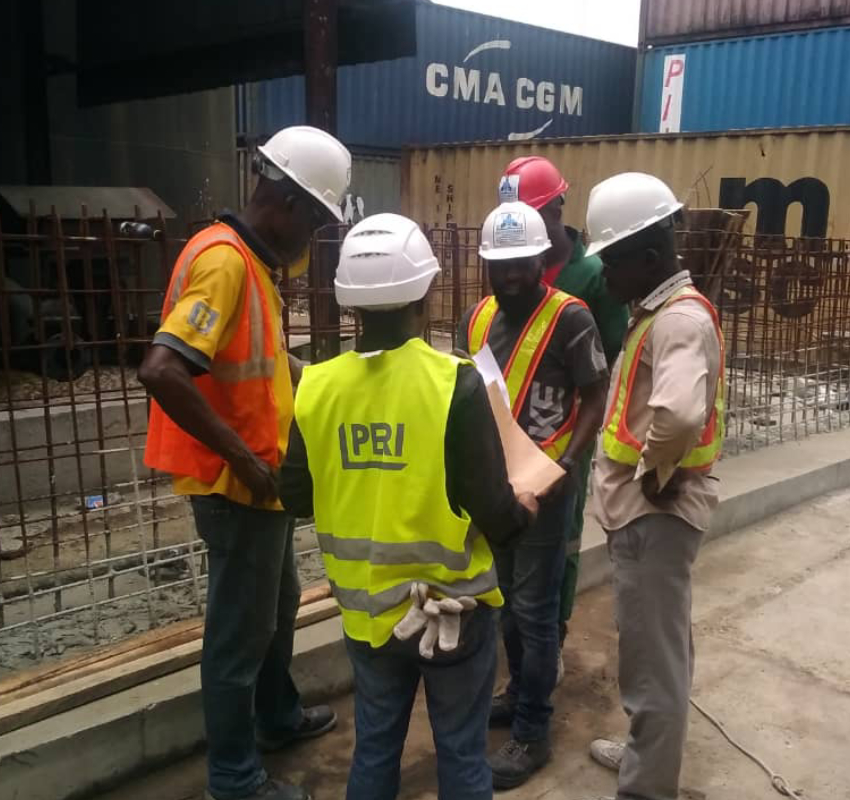
Internal communication occurs between engineers, site supervisors, technicians, and project managers. It ensures daily activities align with the project plan and that everyone understands their responsibilities.
Examples include:
- Daily site briefings
- Engineering design updates
- Task allocation meetings
- Progress reporting
Regular internal communication improves productivity and reduces confusion on site.
2. Communication with Clients and Stakeholders
Clients and stakeholders need regular updates on project progress, budget, timelines, and potential risks. Transparent communication builds trust and confidence.
Key stakeholder communication includes:
- Progress reports
- Budget and cost updates
- Project milestone presentations
- Risk and change notifications
Strong client communication leads to higher satisfaction and long-term partnerships.
3. Site Communication and Safety Briefings
Construction sites are high-risk environments. Safety communication is essential to prevent accidents and ensure compliance with safety regulations.
Important safety communication includes:
- Toolbox talks
- Safety training sessions
- Hazard alerts
- Emergency response plans
Proper communication significantly reduces workplace accidents and protects workers.
Common Communication Challenges in Engineering Projects

Despite its importance, communication often becomes a major challenge in construction and infrastructure projects.
1. Multiple Stakeholders
Large projects involve contractors, subcontractors, suppliers, consultants, and regulators. Without structured communication channels, information can easily become lost or misunderstood.
2. Technical Language Barriers
Engineering terminology can be complex. Non-technical stakeholders may struggle to understand technical reports and drawings.
3. Poor Documentation
Lack of proper documentation leads to disputes, confusion, and project delays.
4. Remote and Large Project Sites
Infrastructure projects often span large geographic areas, making real-time communication difficult.
Addressing these challenges requires structured communication strategies and modern tools.
Tools That Improve Communication in Engineering Projects
Modern technology has significantly improved communication across engineering teams.
Popular communication tools include:
- Project management software
- Digital site reporting apps
- Cloud document sharing
- Video conferencing platforms
- Building Information Modeling (BIM)
These tools allow real-time updates, faster decision-making, and improved collaboration.
The Role of Documentation in Engineering Communication
Documentation is a critical component of project communication. Every decision, change, and update must be recorded and shared.
Key documents include:
- Project plans and schedules
- Engineering drawings and specifications
- Inspection reports
- Risk assessments
- Change orders
Proper documentation protects all stakeholders and reduces disputes.
How Effective Communication Improves Project Success
When communication is structured and consistent, engineering projects benefit in several ways:
1. Faster Problem Solving
Issues are identified early and resolved quickly.
2. Reduced Costs
Fewer errors and rework lower project expenses.
3. Improved Quality
Teams clearly understand design requirements and standards.
4. Enhanced Safety
Clear instructions reduce accidents and hazards.
5. Timely Project Delivery
Aligned teams work efficiently toward project milestones.
Best Practices for Communication in Engineering Projects
To ensure strong communication, engineering companies should:
- Establish clear communication channels
- Hold regular project meetings
- Use modern digital tools
- Maintain accurate documentation
- Encourage transparency and feedback
- Provide training on communication skills
These practices help create a collaborative and efficient project environment.