
Site supervision is one of the most critical responsibilities in civil engineering. Without proper supervision, even the most perfectly designed project can fail due to poor workmanship, safety risks, delays, or budget overruns. From roads and bridges to buildings and drainage systems, effective site supervision ensures that construction projects are executed according to plan, meet quality standards, and are completed safely and on time.
This SEO-optimized guide explains the importance, responsibilities, benefits, and best practices of site supervision in civil engineering projects.
What Is Site Supervision in Civil Engineering?
Site supervision refers to the on-site monitoring, coordination, inspection, and management of construction activities to ensure that the project is built according to design specifications, engineering standards, safety regulations, and project timelines.
A site supervisor acts as the bridge between:
- Engineers and architects
- Contractors and subcontractors
- Clients and stakeholders
- Workers and safety authorities
In simple terms, site supervision ensures that what is designed on paper is correctly executed on the ground.
Why Site Supervision Is Crucial for Construction Projects
1. Ensures Quality Construction
Without proper supervision, contractors may cut corners, use substandard materials, or ignore engineering specifications.
A site supervisor ensures:
- Materials meet required standards
- Construction methods follow approved drawings
- Workmanship meets engineering best practices
Quality supervision prevents costly rework and structural failures.
2. Improves Project Safety
Construction sites are high-risk environments. Accidents can cause injuries, lawsuits, and project shutdowns.
Effective site supervision ensures:
- Workers follow safety protocols
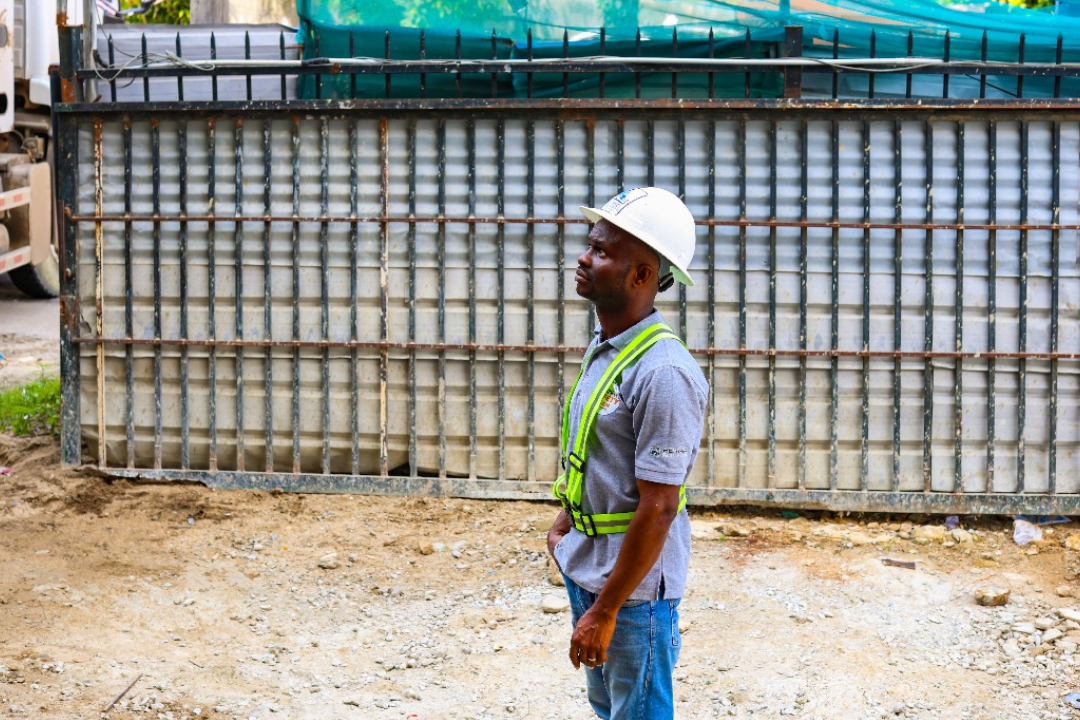
- Proper use of PPE (helmets, boots, harnesses)
- Safe equipment operation
- Compliance with health and safety regulations
A well-supervised site significantly reduces accidents and liabilities.
3. Keeps Projects on Schedule
Delays are one of the biggest challenges in construction. Site supervisors help keep projects on track by:
- Monitoring daily progress
- Coordinating contractors and deliveries
- Identifying and solving issues early
- Preventing workflow disruptions
Timely supervision leads to faster project completion and improved client satisfaction.
4. Controls Construction Costs
Poor supervision can lead to:
- Material wastage
- Rework due to mistakes
- Equipment downtime
- Budget overruns
Site supervisors ensure efficient use of resources and prevent costly errors.
Key Responsibilities of a Civil Engineering Site Supervisor
1. Monitoring Construction Activities
Supervisors inspect daily activities to ensure work follows:
- Engineering drawings
- Technical specifications
- Construction standards
- Project schedules
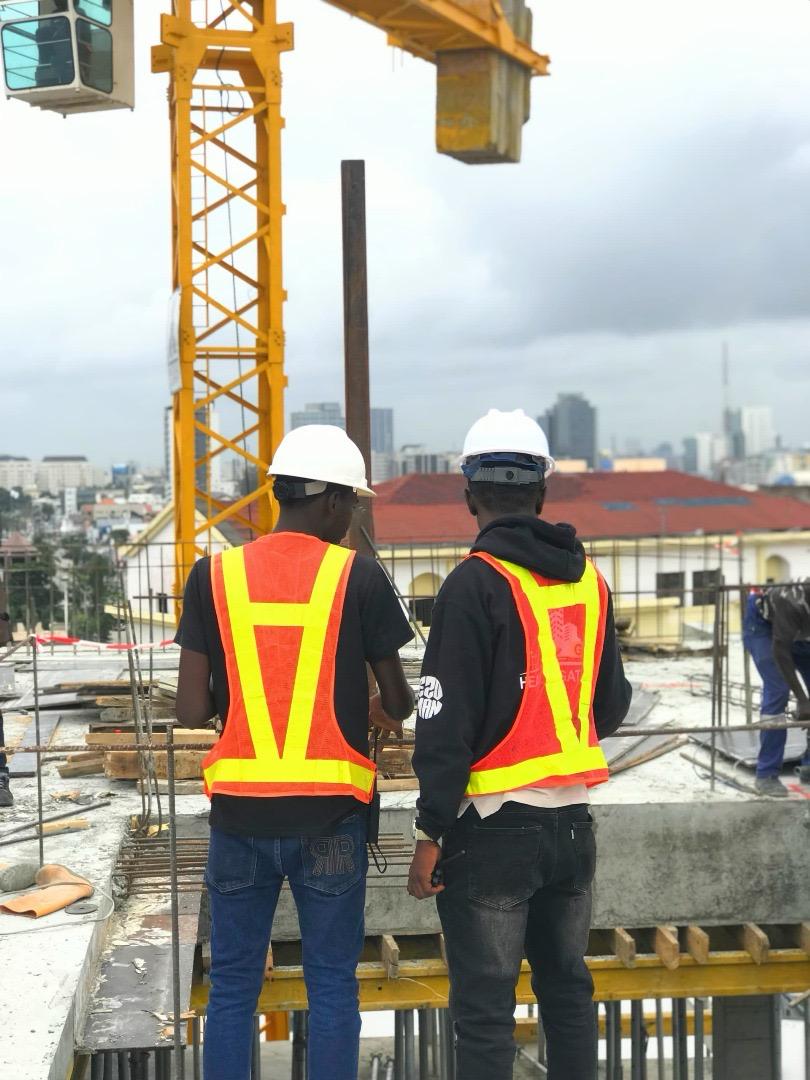
They verify that each stage is completed correctly before moving to the next.
2. Interpreting Engineering Drawings
Site supervisors must fully understand:
- Structural drawings
- Architectural plans
- Road and drainage layouts
- Survey data
They guide workers and contractors on how to implement these plans accurately.
3. Managing Construction Teams
Construction projects involve multiple teams working simultaneously. Site supervision ensures:
- Clear communication between teams
- Proper coordination of tasks
- Efficient workflow
- Reduced conflicts on site
Strong leadership keeps the project organized and productive.
4. Quality Control and Inspection
Quality control involves:
- Checking materials before use
- Inspecting completed work
- Conducting tests (concrete strength, soil compaction)
- Documenting compliance
Regular inspections prevent long-term structural issues.
5. Ensuring Regulatory Compliance
Every construction project must comply with:
- Building codes
- Environmental regulations
- Safety laws
- Engineering standards
Site supervisors ensure the project meets all legal requirements.
6. Reporting and Documentation
Accurate documentation is essential for transparency and accountability. Site supervisors prepare:
- Daily site reports
- Progress updates
- Incident reports
- Material usage records
These records help track project performance and resolve disputes.
Benefits of Professional Site Supervision
Higher Construction Quality
Projects built under strong supervision last longer and perform better.
Reduced Project Risks
Early problem detection prevents structural failures and legal issues.
Increased Client Confidence
Clients trust projects that are professionally managed and transparent.
Better Team Productivity
Well-supervised teams work faster and more efficiently.
Long-Term Cost Savings
Preventing mistakes during construction avoids expensive repairs later.
Challenges in Site Supervision (And How to Overcome Them)
Communication Gaps
Solution: Daily meetings and clear reporting systems.
Unskilled Labor
Solution: Continuous training and on-site guidance.
Weather and Environmental Conditions
Solution: Flexible scheduling and contingency planning.
Material Supply Delays
Solution: Proper logistics planning and supplier coordination.
Best Practices for Effective Site Supervision
To achieve successful project delivery, civil engineers should follow these best practices:
- Conduct daily site inspections
- Use project management tools and software
- Maintain clear communication channels
- Enforce strict safety standards
- Keep detailed records and reports
- Encourage teamwork and accountability
Adopting these practices improves efficiency and project outcomes.
The Future of Site Supervision in Civil Engineering
Modern site supervision is evolving with technology. Today’s civil engineers are using:
- Drones for site monitoring
- AI for project scheduling and risk prediction
- Building Information Modeling (BIM) for coordination
- Mobile apps for real-time reporting
Technology is making site supervision faster, smarter, and more efficient.