A building is one of the most valuable investments an individual or organization can make. Whether it is a residential home, commercial office, industrial facility, or institutional building, maintaining its structural integrity and functionality is essential. Unfortunately, many property owners only address issues after significant damage has occurred, resulting in costly repairs and avoidable safety risks.
Routine building maintenance is a proactive approach that keeps structures in excellent condition, extends their lifespan, improves occupant safety, and preserves their market value. It involves scheduled inspections, preventive repairs, servicing of building systems, and regular upkeep of structural and non-structural components.
In today’s construction industry, preventive maintenance is no longer optional—it is a smart investment that protects both people and assets.
What is Routine Building Maintenance?
Routine building maintenance refers to the regular inspection, servicing, repair, and replacement of building components before they fail. Instead of waiting for problems to become emergencies, maintenance schedules help identify defects early and ensure that buildings continue to operate efficiently.
A comprehensive maintenance program typically includes:
- Structural inspections
- Roof maintenance
- Plumbing inspections
- Electrical system servicing
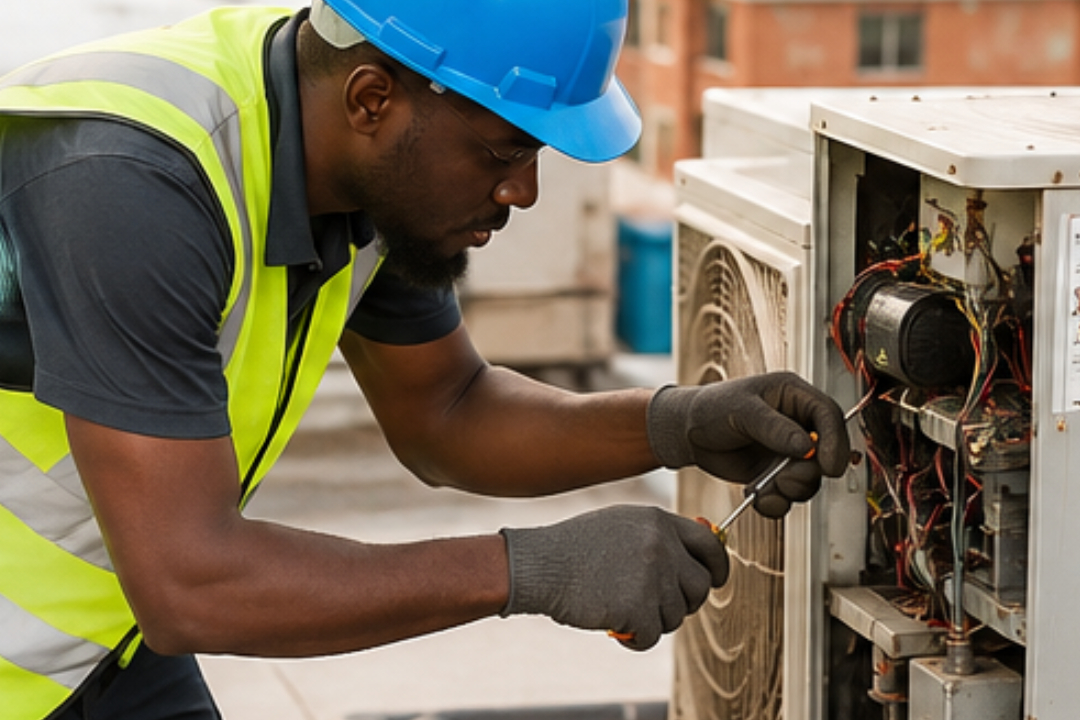
- HVAC maintenance
- Painting and waterproofing
- Drainage system cleaning
- Elevator servicing
- Fire safety equipment inspections
- Landscaping and external maintenance
Regular maintenance ensures every component of the building performs as intended throughout its lifecycle.
Why Routine Building Maintenance Matters
1. Extends Building Lifespan
Buildings are exposed daily to weather conditions, moisture, heavy usage, and environmental pollutants. Over time, these factors contribute to wear and deterioration.
Routine maintenance helps identify small issues before they become major structural failures, allowing buildings to remain functional for decades with minimal disruption.
2. Enhances Safety
One of the primary reasons for routine maintenance is protecting occupants.
Regular inspections help identify:
- Structural cracks
- Water leaks
- Loose roofing materials
- Electrical hazards
- Fire safety deficiencies
- Damaged staircases and walkways
Addressing these issues promptly reduces the risk of accidents and ensures compliance with safety standards.
3. Reduces Long-Term Costs
Preventive maintenance is significantly less expensive than emergency repairs.
For example:
- Repairing a minor roof leak is far cheaper than replacing water-damaged ceilings and electrical systems.
- Servicing HVAC systems regularly prevents costly equipment failures.
- Sealing small concrete cracks prevents extensive structural deterioration.
Consistent maintenance minimizes unexpected repair expenses and reduces operational downtime.
4. Preserves Property Value
A well-maintained property retains its appearance, functionality, and market value.
Potential buyers and investors are more likely to purchase buildings that show evidence of consistent maintenance because they indicate lower future repair costs and greater reliability.
Regular maintenance also improves rental appeal for commercial and residential properties.
5. Improves Energy Efficiency
Poorly maintained buildings consume more energy.
Examples include:
- Dirty air-conditioning systems
- Damaged insulation
- Leaking windows
- Faulty lighting systems
- Inefficient plumbing fixtures
Routine servicing ensures building systems operate efficiently, reducing utility bills while supporting environmental sustainability.
6. Prevents Structural Deterioration
Small defects often develop into major structural problems if ignored.
Common issues include:
- Concrete spalling
- Corrosion of reinforcement steel
- Foundation settlement
- Water infiltration
- Masonry cracks
Regular engineering inspections help detect these problems early, extending the structural integrity of the building.
7. Supports Regulatory Compliance
Many commercial buildings must comply with building codes, fire regulations, and occupational safety standards.
Routine inspections help ensure compliance by verifying that:
- Fire extinguishers are functional
- Emergency exits remain accessible
- Electrical installations meet safety requirements
- Elevators operate safely
- Structural systems remain sound
Compliance protects building owners from legal liabilities and operational disruptions.
Key Areas That Require Routine Maintenance
A successful maintenance program should include inspections of:
Structural Components
- Foundations
- Columns
- Beams
- Slabs
- Walls
- Roof structures
Mechanical Systems
- HVAC equipment
- Pumps
- Water supply systems
- Drainage systems
Electrical Systems
- Wiring
- Switchboards
- Backup generators
- Lighting
- Security systems
Exterior Elements
- Roof coverings
- Gutters
- Windows
- Doors
- Parking areas
- Landscaping
Interior Finishes
- Floors
- Ceilings
- Paintwork
- Fixtures
- Plumbing accessories
Best Practices for Building Maintenance
To maximize building performance, property owners should:
- Schedule regular inspections by qualified engineers.
- Address defects immediately before they worsen.
- Keep detailed maintenance records.
- Use quality replacement materials.
- Follow manufacturer recommendations for equipment servicing.
- Develop annual preventive maintenance plans.
- Train facility management personnel on maintenance procedures.
A structured maintenance schedule helps minimize downtime and improves operational efficiency.
The Role of Professional Engineering Firms
Professional engineering companies play a crucial role in maintaining buildings by providing:
- Structural assessments
- Building condition surveys
- Preventive maintenance planning
- Renovation recommendations
- Repair supervision
- Compliance inspections
- Infrastructure rehabilitation
Experienced engineers ensure maintenance work is carried out according to industry standards, extending the life and safety of every structure.
Conclusion
Routine building maintenance is one of the most effective ways to protect your investment, improve safety, and reduce long-term operating costs. By adopting a preventive maintenance strategy, property owners can avoid expensive repairs, maintain property value, and ensure their buildings remain safe and functional for years to come.
At Heaven’s Gate Engineering and Construction, we are committed to delivering professional engineering solutions, building inspections, renovation services, and maintenance programs that help clients preserve the integrity and value of their infrastructure.