Articles

Articles

Construction Practices That Prevent Erosion in Nigeria

Soil erosion is one of the most significant challenges facing the construction industry. During excavation, grading, and land development, exposed soil becomes vulnerable to wind and water, which can lead to sediment runoff, unstable foundations, environmental degradation, and costly project delays. Preventing erosion is not only an environmental responsibility but

Articles

The Importance of Collaboration Between Designers and Contractors in Successful Construction Projects

Collaboration Between Designers and Contractors: The Foundation of Successful Construction Projects Every successful construction project is the result of effective collaboration between multiple professionals, but perhaps none is more important than the partnership between designers and contractors. While designers transform ideas into practical and functional plans, contractors bring those plans

Articles

Importance of Routine Building Maintenance

A building is one of the most valuable investments an individual or organization can make. Whether it is a residential home, commercial office, industrial facility, or institutional building, maintaining its structural integrity and functionality is essential. Unfortunately, many property owners only address issues after significant damage has occurred, resulting in

Articles

Climate Change and Infrastructure Resilience

Introduction Climate change is no longer a future concern—it is a present-day reality affecting communities, economies, and infrastructure around the world. Rising temperatures, more frequent flooding, prolonged droughts, stronger storms, sea-level rise, and extreme weather events are placing unprecedented pressure on roads, bridges, buildings, drainage systems, and other critical infrastructure.

Articles

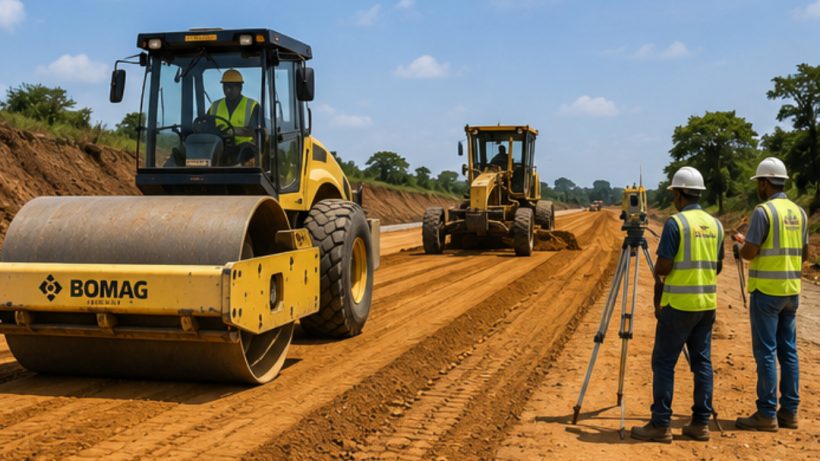
Importance of Subgrade Preparation in Road Construction: The Foundation of Durable Roads

Introduction Every durable road begins with a strong foundation. While road users often focus on the asphalt or concrete surface, the true strength and longevity of any road lie beneath it—in the subgrade. Proper subgrade preparation is one of the most critical stages in road construction because it provides the

Articles

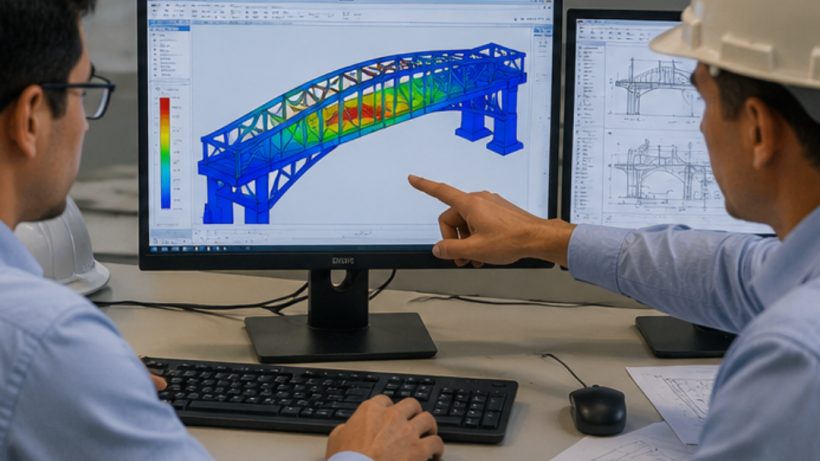
Key Loads Considered in Bridge Design

Introduction Bridges are among the most important infrastructure assets in modern society. They connect communities, facilitate trade, improve transportation networks, and support economic growth. However, designing a bridge is far more complex than simply creating a structure that spans a river, roadway, or valley. One of the most critical aspects

Articles

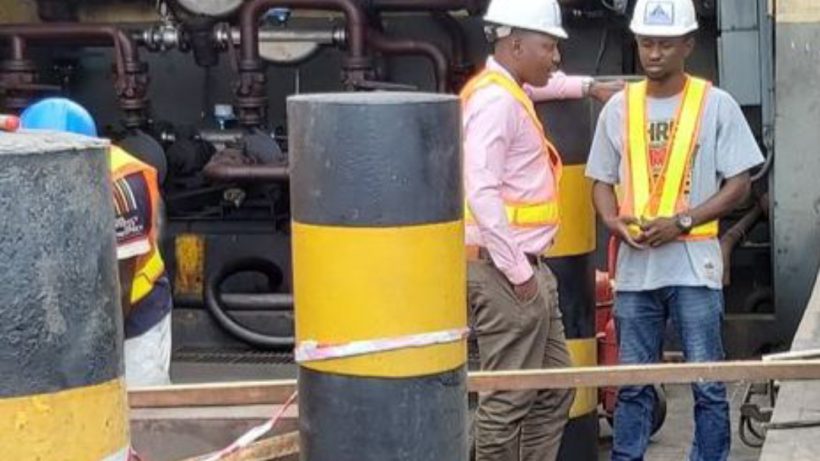
Monitoring and Evaluation in Construction

Introduction Monitoring and evaluation (M&E) play a critical role in the success of construction and engineering projects. In today’s construction industry, delivering projects on time, within budget, and according to quality standards requires continuous tracking and assessment throughout every phase of the project lifecycle. From road construction and drainage systems

Articles

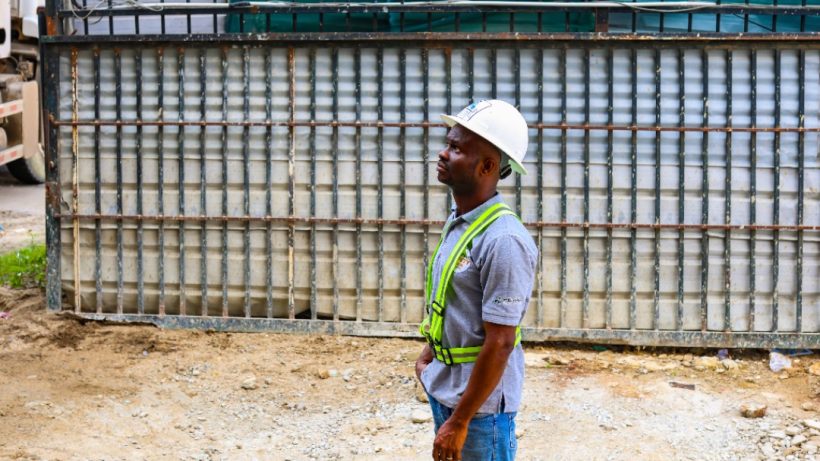
Site Supervision: A Key Role of Civil Engineers

Site supervision is one of the most critical responsibilities in civil engineering. Without proper supervision, even the most perfectly designed project can fail due to poor workmanship, safety risks, delays, or budget overruns. From roads and bridges to buildings and drainage systems, effective site supervision ensures that construction projects are

Articles

Why Infrastructure Is the Backbone of National Development

Infrastructure is the foundation upon which every modern nation is built. Roads, bridges, railways, power systems, water supply networks, drainage systems, and public buildings form the framework that supports economic growth, social development, and national prosperity. Without reliable infrastructure, industries struggle to operate, businesses cannot expand, and communities face barriers

Articles

Engineering Challenges in Canal Construction

Introduction Canal construction plays a critical role in irrigation, flood control, water supply, and transportation. In many developing and urbanizing regions, canals help manage water resources, prevent flooding, and support agriculture and infrastructure development. However, building a canal is far more complex than simply digging a trench and allowing water