Articles

Articles

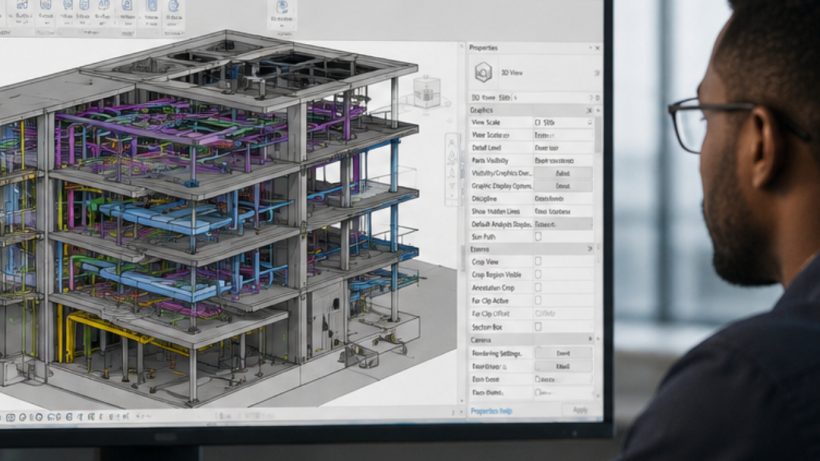
Building Information Modeling (BIM) Explained

The construction industry is becoming increasingly digital, and one of the technologies driving this transformation is Building Information Modeling (BIM). Traditional construction projects often rely on separate architectural, structural, mechanical, electrical, and plumbing drawings. While these drawings remain important, managing multiple sets of information can create coordination challenges, design conflicts,

Articles

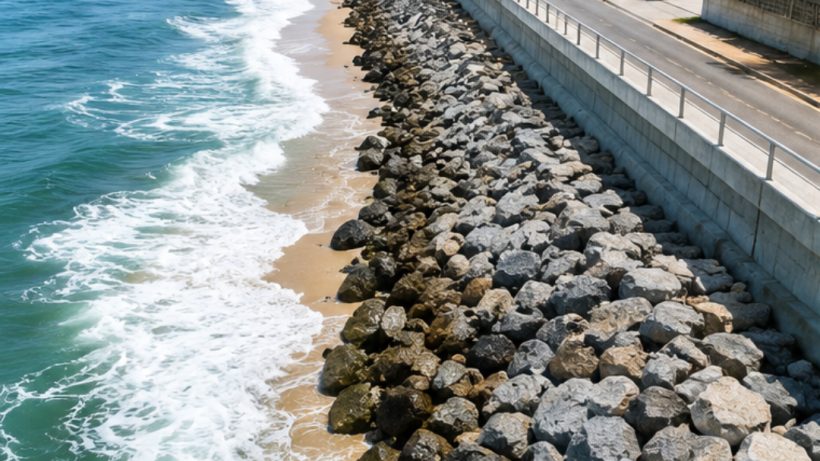
Coastal Erosion Control Techniques

Introduction Coastal areas are among the most valuable and environmentally sensitive regions in the world. They support communities, businesses, transportation networks, tourism, fisheries, and important ecosystems. However, coastal environments are constantly exposed to waves, tides, currents, storms, rising sea levels, and changing weather patterns. One of the major challenges facing

Articles

Causes of Project Delays: Common Challenges in Construction Projects and How to Prevent Them

Introduction In the construction industry, delivering projects on time is one of the most critical measures of success. Whether it’s a residential project, a commercial building, a road, a bridge, an industrial site, or a major infrastructure endeavor, clients expect everything to be completed according to the agreed timeline and

Articles

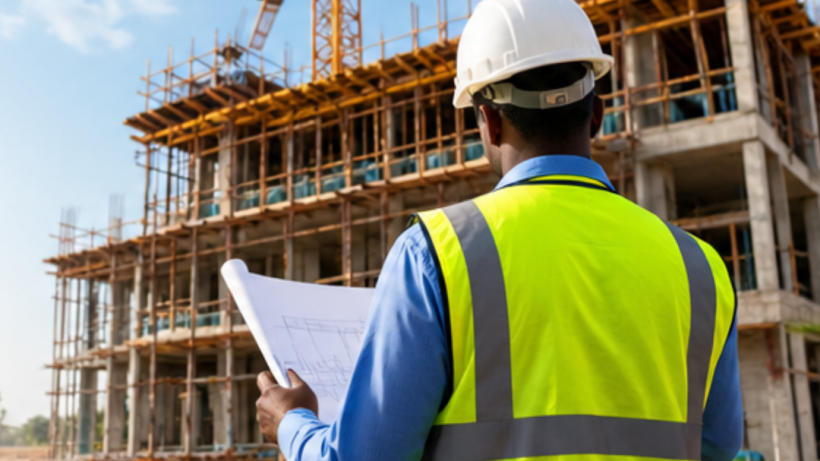
Site Supervision: A Key Role of Civil Engineers

Every successful construction project is the result of careful planning, quality workmanship, and effective project management. While architectural drawings and engineering designs provide the blueprint for a project, it is proper site supervision that ensures these plans are executed correctly. At the center of this critical responsibility is the civil

Articles

How Engineers Ensure Bridge Safety in Nigeria

How Engineers Ensure Bridge Safety Bridges are among the most important components of modern infrastructure. They connect cities, support economic growth, improve transportation networks, and allow the safe movement of millions of people and vehicles every day. Whether spanning rivers, valleys, highways, or railways, bridges must withstand enormous loads, harsh

Articles

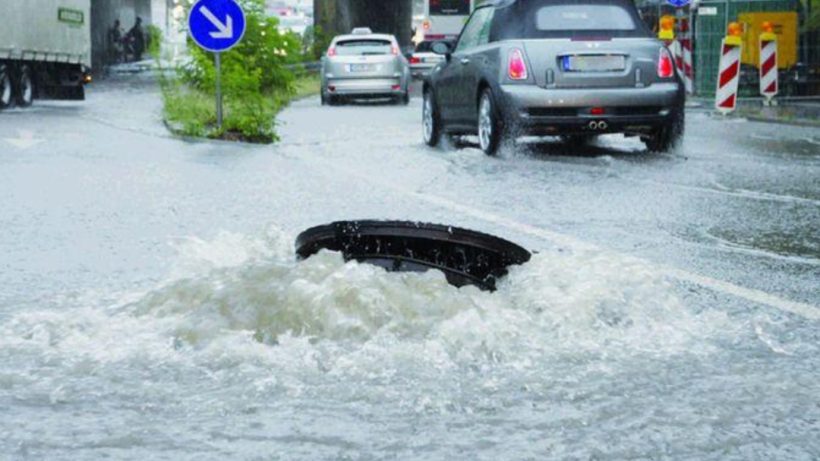
Designing Drainage for High Rainfall Zones: Best Practices for Flood-Resilient Infrastructure

Designing Drainage for High Rainfall Zones Heavy rainfall presents one of the greatest challenges to infrastructure development. In regions that experience frequent storms and intense downpours, poorly designed drainage systems can lead to flooding, soil erosion, foundation damage, road deterioration, and costly repairs. As climate patterns continue to change, engineers

Articles

Construction Practices That Prevent Erosion in Nigeria

Soil erosion is one of the most significant challenges facing the construction industry. During excavation, grading, and land development, exposed soil becomes vulnerable to wind and water, which can lead to sediment runoff, unstable foundations, environmental degradation, and costly project delays. Preventing erosion is not only an environmental responsibility but

Articles

The Importance of Collaboration Between Designers and Contractors in Successful Construction Projects

Collaboration Between Designers and Contractors: The Foundation of Successful Construction Projects Every successful construction project is the result of effective collaboration between multiple professionals, but perhaps none is more important than the partnership between designers and contractors. While designers transform ideas into practical and functional plans, contractors bring those plans

Articles

Importance of Routine Building Maintenance

A building is one of the most valuable investments an individual or organization can make. Whether it is a residential home, commercial office, industrial facility, or institutional building, maintaining its structural integrity and functionality is essential. Unfortunately, many property owners only address issues after significant damage has occurred, resulting in

Articles

Climate Change and Infrastructure Resilience

Introduction Climate change is no longer a future concern—it is a present-day reality affecting communities, economies, and infrastructure around the world. Rising temperatures, more frequent flooding, prolonged droughts, stronger storms, sea-level rise, and extreme weather events are placing unprecedented pressure on roads, bridges, buildings, drainage systems, and other critical infrastructure.