
Who Are Stakeholders in Infrastructure Projects?
In infrastructure development, stakeholders are individuals, organizations, or groups that:
-
Have a direct interest in the project
-
Influence decision-making
-
Are affected by construction activities
-
Provide funding, expertise, or regulatory approval
Proper stakeholder identification and engagement reduces project delays, minimizes risk, and improves collaboration.
1. Project Owner or Client
The project owner is the primary stakeholder in any infrastructure project. This may be:
-
Government agencies
-
Private developers
-
Public-private partnerships (PPP)
-
Corporate investors
The project owner is responsible for:
-
Defining project scope and objectives
-
Providing funding and financial approval
-
Selecting consultants and contractors
-
Approving major decisions
Clear direction from the owner ensures alignment between design, budget, and execution.
2. Government and Regulatory Authorities
Infrastructure projects must comply with local, state, and national regulations. Regulatory stakeholders oversee:
-
Building permits and zoning approvals
-
Environmental impact assessments (EIA)
-
Safety and construction standards
-
Land acquisition and public policy compliance
Failure to meet regulatory requirements can result in penalties, legal disputes, or project shutdowns.
3. Engineers and Design Consultants
Engineering professionals are central to infrastructure project planning and design. This group includes:
-
Civil engineers
-
Structural engineers
-
Transportation engineers
-
Geotechnical engineers
-
Electrical and mechanical engineers
Their responsibilities include:
-
Conducting feasibility studies
-
Preparing technical drawings
-
Performing engineering calculations
-
Ensuring structural safety and durability
Quality design reduces long-term maintenance costs and enhances infrastructure lifespan.
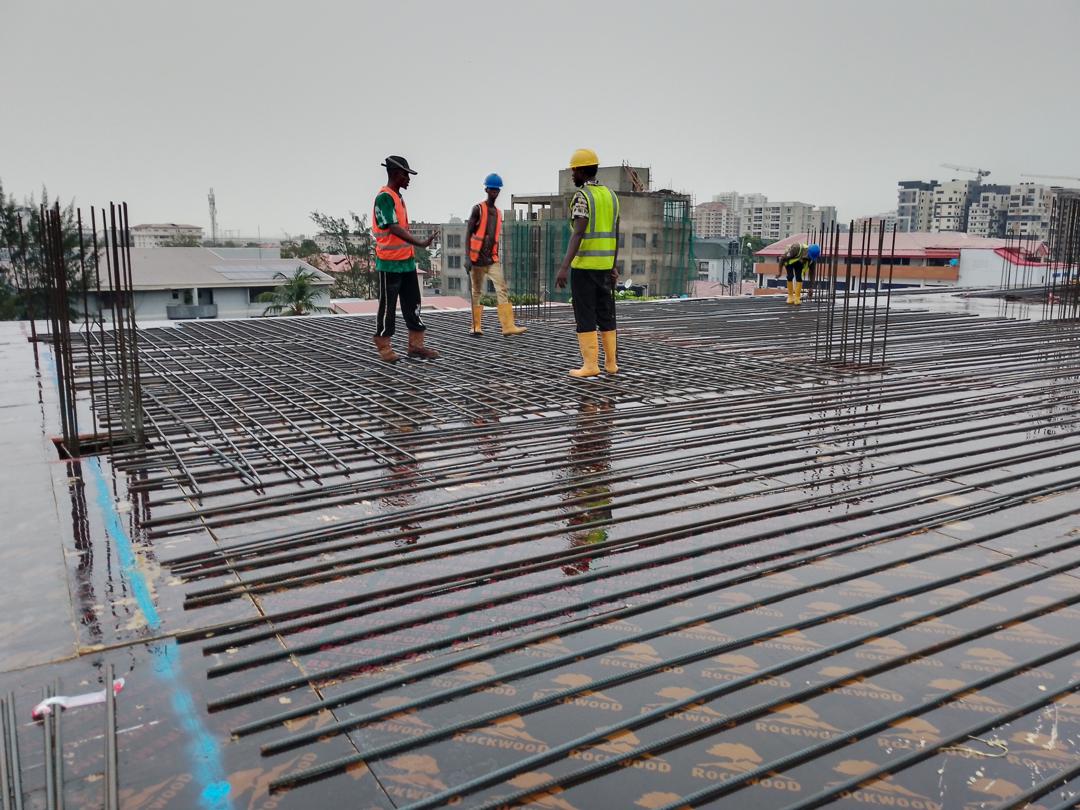
4. Contractors and Subcontractors
The main contractor executes the construction work. Their duties include:
-
Managing labor and equipment
-
Procuring construction materials
-
Implementing engineering designs
-
Maintaining project schedules
Subcontractors handle specialized services such as:
-
Electrical installations
-
Road paving
-
Structural steel fabrication
-
Plumbing systems
Efficient contractor coordination ensures timely project delivery.
5. Project Managers
Project managers oversee the entire infrastructure development lifecycle. Their core responsibilities include:
-
Cost control and budgeting
-
Schedule management
-
Resource allocation
-
Risk management
-
Stakeholder communication
Strong project management ensures projects remain within scope, budget, and timeline.
6. Financial Institutions and Investors
Large-scale infrastructure projects require significant capital investment. Financial stakeholders may include:
-
Commercial banks
-
Infrastructure funds
-
Development finance institutions
-
Private equity firms
These stakeholders assess:
-
Project feasibility
-
Financial risk
-
Return on investment
-
Milestone performance
Transparent reporting builds investor confidence.
7. Local Communities and End Users
Infrastructure development directly impacts local communities. Stakeholder engagement is critical to address:
-
Land acquisition concerns
-
Environmental impact
-
Temporary construction disruptions
-
Job creation opportunities
Community support improves project sustainability and reduces opposition.
8. Environmental Agencies and Sustainability Groups
Modern infrastructure projects prioritize sustainability. Environmental stakeholders focus on:
-
Environmental impact assessments
-
Climate resilience
-
Pollution control
-
Biodiversity protection
Incorporating green building practices and sustainable engineering improves long-term environmental performance.
9. Suppliers and Construction Material Manufacturers
Reliable supply chains are essential for infrastructure projects. Suppliers provide:
-
Cement and aggregates
-
Reinforcement steel
-
Asphalt materials
-
Mechanical and electrical components
Material quality significantly affects structural integrity and road durability.
10. Legal and Compliance Advisors
Legal experts help manage:
-
Contract drafting
-
Dispute resolution
-
Regulatory compliance
-
Land acquisition processes
Strong legal frameworks protect all stakeholders from financial and contractual risks.
11. Utility Companies
Infrastructure projects often require coordination with utility providers responsible for:
-
Electricity distribution
-
Water supply systems
-
Gas pipelines
-
Telecommunications networks
Relocation or integration of utilities must be carefully planned to avoid service disruption.
12. Operations and Maintenance Teams
Once construction is completed, operations teams manage:
-
Routine inspections
-
Asset maintenance
-
Performance monitoring
-
Infrastructure lifecycle management
Design decisions made during planning significantly influence future maintenance costs.
Why Stakeholder Management Is Critical in Infrastructure Projects
Effective stakeholder management in construction and engineering projects offers several benefits:
-
Reduces project delays
-
Prevents cost overruns
-
Minimizes legal disputes
-
Improves safety compliance
-
Enhances public trust
Early stakeholder identification, transparent communication, and continuous engagement are essential for successful infrastructure delivery.
Conclusion
Understanding the key stakeholders in large infrastructure projects is fundamental to achieving safe, durable, and cost-effective infrastructure. From project owners and engineers to regulators, contractors, financiers, and communities, each stakeholder contributes to project success.
Infrastructure development is not only about technical expertise — it is about strategic collaboration, regulatory compliance, and long-term planning.
Well-managed stakeholder relationships lead to sustainable infrastructure that serves communities for generations.