
Drainage considerations in road design are critical to the performance, safety, and durability of road infrastructure. Regardless of pavement type or construction quality, inadequate drainage remains one of the leading causes of premature road failure. Water infiltration weakens pavement layers, damages subgrade soils, and significantly increases maintenance costs. For this reason, effective road drainage design must be treated as a core engineering requirement rather than an afterthought.
A properly designed drainage system ensures that surface water and subsurface moisture are efficiently removed from the roadway structure, preserving pavement strength and extending road lifespan.
Importance of Drainage in Road Construction
The importance of drainage in road construction cannot be overstated. Roads are continuously exposed to rainfall, groundwater, and runoff from surrounding areas. When water is not properly controlled, it leads to pavement distress such as potholes, cracking, rutting, stripping, and erosion of shoulders.
Poor drainage in road construction also creates safety hazards. Water ponding on road surfaces reduces skid resistance and increases the risk of hydroplaning, especially at high speeds. Over time, moisture-related damage compromises both structural integrity and user safety.
Effective road drainage systems protect the pavement, enhance driving comfort, and reduce long-term rehabilitation costs.
Surface Drainage in Road Design
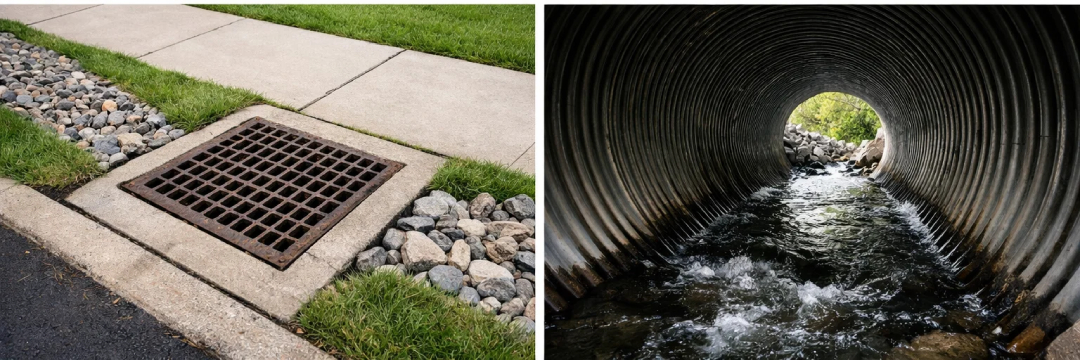
Surface drainage in road design focuses on the rapid removal of water from the pavement surface. This is achieved through appropriate road geometry and drainage features that prevent water from stagnating.
Key surface drainage elements include:
-
Road camber and crossfall to direct water toward the edges
-
Longitudinal gradients that prevent water accumulation on flat sections
-
Side drains, gutters, and channels to convey runoff away from the pavement
-
Kerbs and inlets for urban road drainage systems
Proper surface drainage minimizes water infiltration into pavement layers and improves overall road safety.
Subsurface Drainage and Pavement Performance
Subsurface drainage in roads is designed to remove water that infiltrates pavement layers or rises from groundwater. Without effective subsurface drainage, moisture builds up within the pavement structure, reducing bearing capacity and accelerating deterioration.
Common subsurface drainage solutions include:
-
Edge drains along pavement boundaries
-
Permeable base layers to facilitate water movement
-
Drainage blankets over weak subgrade soils
-
Filter layers and geotextiles to prevent clogging
These pavement drainage systems play a vital role in maintaining road strength and long-term performance.
Soil Conditions and Drainage Design
Soil characteristics significantly influence road drainage design. Clayey soils retain water and lose strength when saturated, making proper drainage essential. Granular soils drain more easily but may require erosion control measures.
Geotechnical investigations provide critical data on soil type, permeability, and groundwater levels. Drainage considerations in road design must be tailored to site-specific soil conditions to prevent settlement, instability, and pavement failure.
Climate and Environmental Factors
Road drainage design must account for climatic conditions such as rainfall intensity, storm duration, and seasonal variations. In high rainfall or flood-prone areas, drainage systems should be designed to accommodate extreme storm events without overtopping or erosion.
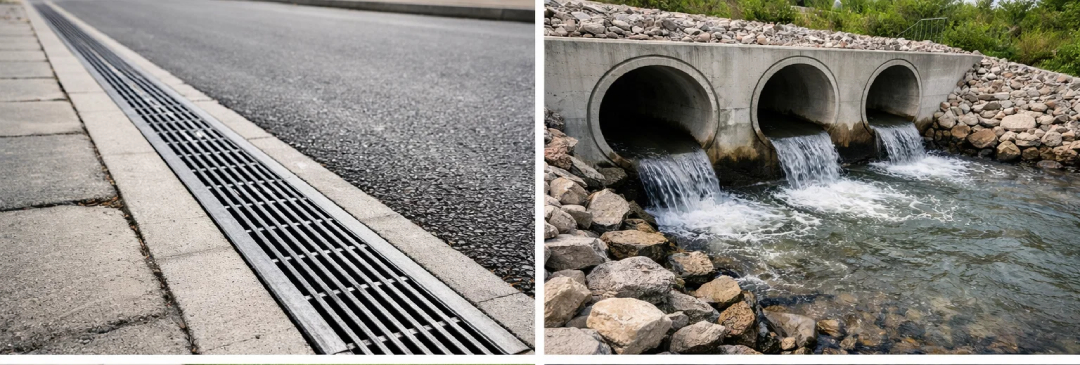
Environmental considerations include controlling runoff velocity, preventing pollution of natural water bodies, and incorporating sustainable drainage practices where feasible.
Maintenance and Long-Term Drainage Performance
Even the most well-designed road drainage system requires regular maintenance. Blocked drains, damaged outlets, and eroded channels reduce system effectiveness and accelerate pavement damage.
Road design and drainage systems should therefore allow for easy inspection, cleaning, and repairs. Proper maintenance ensures continued drainage efficiency and significantly extends road lifespan.