
Introduction
Accuracy in engineering calculations isn’t just a technical necessity; it’s the very backbone of safe, durable, and efficient infrastructure. Every bridge, road, drainage system, and building depend on precise numerical analysis to function as intended. In the realms of civil and structural engineering, even a tiny computational mistake can snowball into serious structural failures, financial setbacks, project delays, or even endanger lives. As engineering projects grow more complex and require more investment, the need for accuracy in these calculations has never been more crucial. Engineering calculations play a vital role in decision-making, guiding everything from the initial design phase to construction and ongoing maintenance. They help determine material quantities, load capacities, safety factors, and cost estimates. When accuracy is prioritized, structures can meet regulatory standards, perform reliably under expected conditions, and maintain their resilience throughout their intended lifespan.
Engineering Calculations as the Backbone of Design and Construction
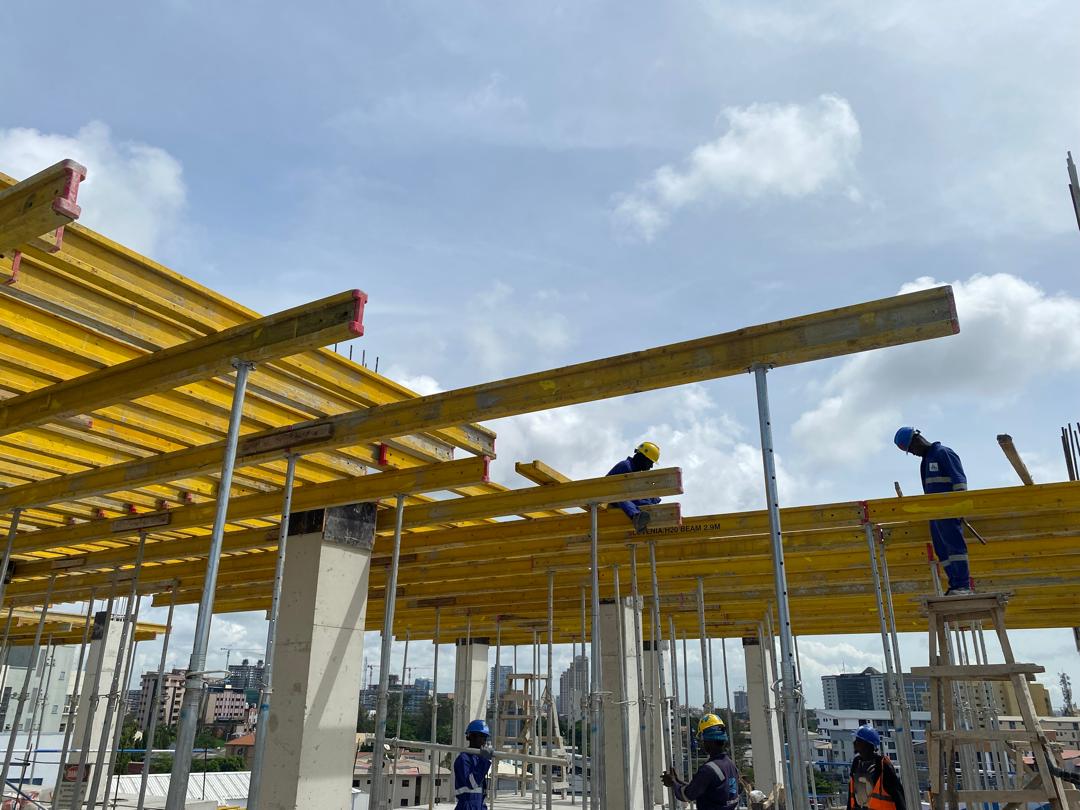
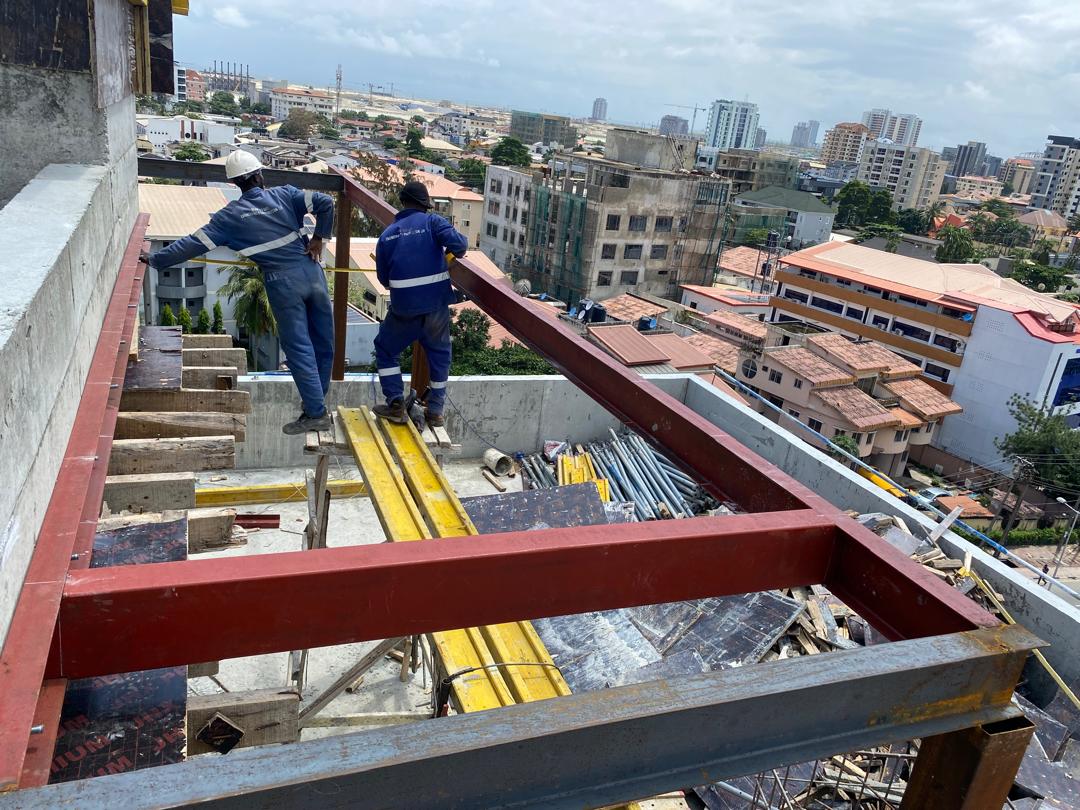
Engineering calculations are truly the foundation of all design and construction work. Structural analysis helps us understand how various loads—like dead loads, live loads, wind forces, and seismic impacts—affect a structure. On the other hand, geotechnical calculations look into soil bearing capacity, settlement behavior, and slope stability. Hydraulic computations play a crucial role in managing drainage flow rates, flood control systems, and water conveyance structures. Getting these calculations right is vital for ensuring that these systems work together safely and efficiently. For instance, if we underestimate structural loads, we risk excessive deflection or even collapse. Conversely, overestimating can lead to designs that are unnecessarily costly, wasting materials and driving up project expenses. Striking the right balance between safety, performance, and cost-effectiveness hinges on precision. In the realm of road and bridge construction, accurate pavement thickness calculations and load distribution models are key to avoiding premature failures. Similarly, in drainage and flood control projects, incorrect flow calculations can lead to insufficient capacity, resulting in flooding and erosion. Therefore, the accuracy of these calculations has a direct impact on the reliability and longevity of our infrastructure.
Safety Implications of Inaccurate Calculations
The most important consequence of getting engineering calculations wrong is a serious risk to safety. When engineers design structures, they set specific safety margins, but these margins rely heavily on the accuracy of the calculations behind them. Mistakes in estimating loads, assumptions about material strength, or safety factors can lead to disastrous results. Looking back at engineering failures throughout history, it’s clear that calculation errors—whether from faulty assumptions, simple oversights, or misusing formulas—often play a major role. These failures not only put lives at risk but also erode public confidence in engineers and their institutions. When calculations are done accurately, engineers can better prepare for extreme situations like heavy traffic, intense rainfall, temperature changes, and seismic activity. By properly considering these factors, engineers can design structures that hold up under both normal conditions and unexpected stresses without failing.
Financial and Project Management Consequences
When it comes to engineering, getting safety right is just the beginning; accuracy in calculations plays a huge role in financial outcomes and project management. These calculations are the backbone of cost estimates, material orders, scheduling, and how resources are allocated. If there are mistakes during the calculation phase, it can lead to budget overruns, the need for rework, and delays in the project timeline. Take, for example, if quantity take-offs are off; this could mean running out of materials or ordering too much, both of which can throw a wrench in construction schedules. Similarly, if structural designs are incorrect, it might necessitate redesigns while construction is underway, which can spark contractual disputes and pile on extra costs. In large infrastructure projects, even a tiny percentage error can snowball into millions of dollars lost. On the flip side, accurate calculations pave the way for smooth project planning, minimize uncertainties, and boost predictability. They empower everyone involved in the project to make well-informed decisions, manage risks more effectively, and keep everything on track in terms of budget and timeline.
Regulatory Compliance and Professional Responsibility
Engineering practice is shaped by a set of codes, standards, and regulations that aim to protect public safety and ensure quality. To comply with these rules, accurate calculations are absolutely crucial. Any designs that are submitted for approval need to clearly show that they meet the established standards, which can only be achieved through careful and well-documented calculations. On top of that, engineers carry an ethical and professional duty to guarantee the accuracy of their work. Professional engineering codes highlight the importance of competence, diligence, and accountability. Mistakes in calculations can lead to serious consequences for engineers and their firms, including legal issues, damage to their reputation, and even the risk of losing their professional licenses. Moreover, accuracy is key to maintaining professionalism and credibility. Clients, regulatory bodies, and stakeholders rely on engineering expertise, expecting that all designs and recommendations stem from thorough and precise analysis.
Role of Technology and Quality Control
Recent advancements in engineering software and computational tools have really boosted the accuracy of calculations. With techniques like finite element analysis, Building Information Modeling (BIM), and sophisticated simulation tools, engineers can now model complex systems with much greater precision. Still, it’s important to remember that technology doesn’t replace the need for good engineering judgment. Getting accurate results hinges on having the right input data, making sound modelling assumptions, and interpreting the outputs correctly. That’s why quality control measures like peer reviews, independent checks, and validation against established benchmarks—are absolutely vital. Experienced engineers are key in verifying calculations and ensuring that these digital tools are used effectively.
Conclusion
Accuracy in engineering calculations is absolutely essential for creating safe, durable, and cost-effective infrastructure. It forms the backbone of every engineering practice, influencing everything from design integrity and public safety to managing costs and adhering to regulations. When calculations are off, it can result in structural failures, financial setbacks, and a breakdown of public trust. On the flip side, precise analysis guarantees reliability, efficiency, and long-lasting performance. As engineering challenges become more intricate, the need for accuracy only intensifies. By committing to thorough training, embracing professional responsibility, implementing quality control measures, and leveraging the right technology, engineers can maintain the high standards necessary to provide infrastructure that benefits society in a safe and sustainable way. In engineering, accuracy isn’t just a nice-to-have; it’s the cornerstone of professional excellence.